
01
Recording scope
The skills, task boundaries, viewpoints and variations the collection should cover.
HUMAN EXPERTISE. REAL-WORLD TECHNOLOGY.
First-person recordings of skilled work in India, scoped around your tasks, annotation needs and research objectives.
DATA SUPPLIED TO
Human demonstration data for robotics teams.
WHAT YOUR DATA BRIEF DEFINES
01
The skills, task boundaries, viewpoints and variations the collection should cover.
02
The object, environment and recording information needed to interpret each example.
03
Action labels, time segments and metadata matched to the research objective.
04
File structure, review criteria and the delivery format your team can work with.
01 / WHAT WE DO
A pair of skilled hands. A difficult everyday workflow. An idea that needs a useful first version. That is where our work begins.
Labeno connects human demonstration data, software engineering and our own products. Different kinds of making, with the same attention to the details that matter.
First-person demonstrations of real tasks, captured and structured around your research requirements.
02Custom web and mobile products, operational tools and interfaces shaped around everyday work.
03Customer conversations with context and workflows that bring your existing tools together.
02 / HUMAN DEMONSTRATIONS FOR PHYSICAL AI
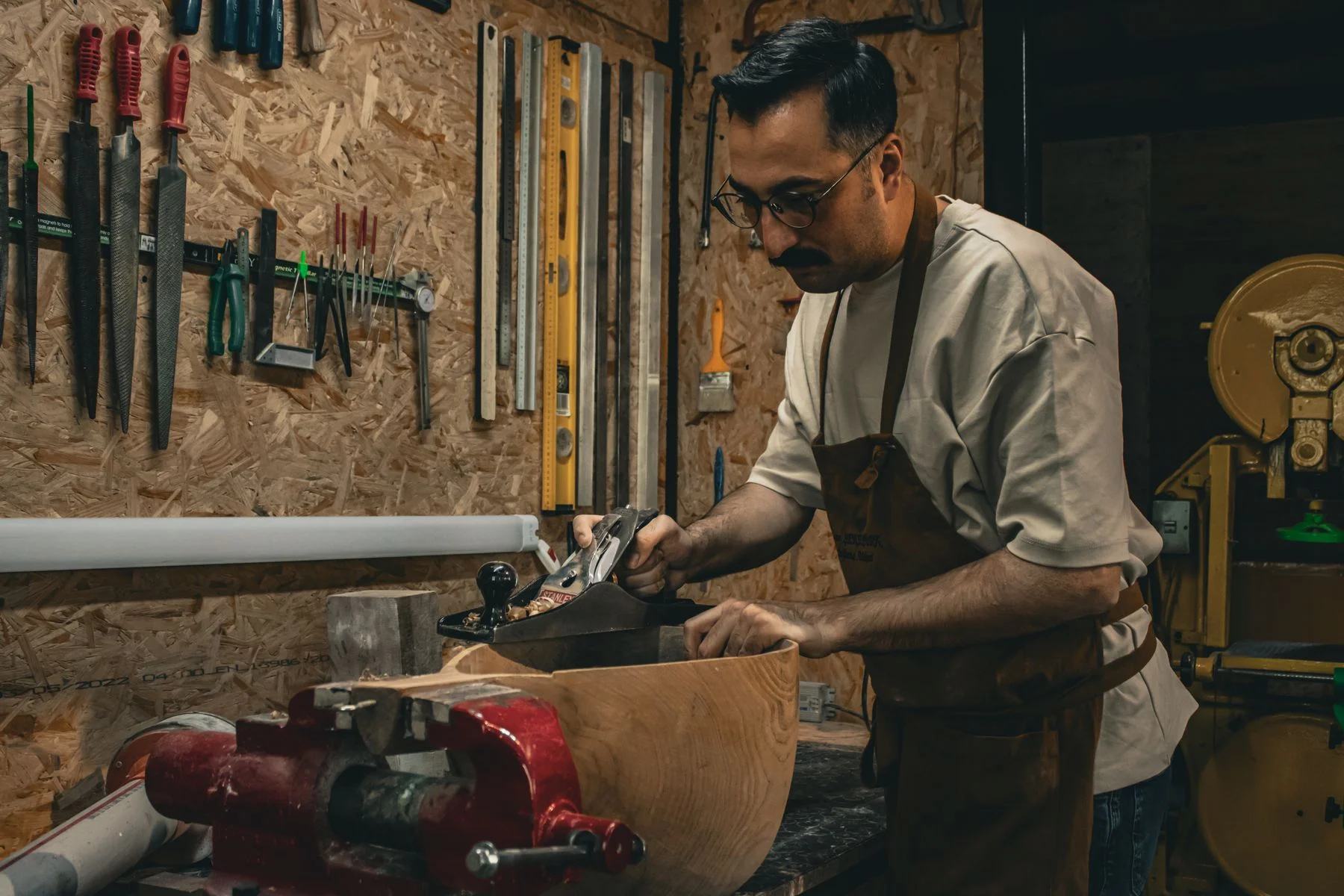
How a chef adjusts a grip. How a technician positions a component. How a housekeeper follows a sequence. We record the work with the context your training task needs.
How we capture human skill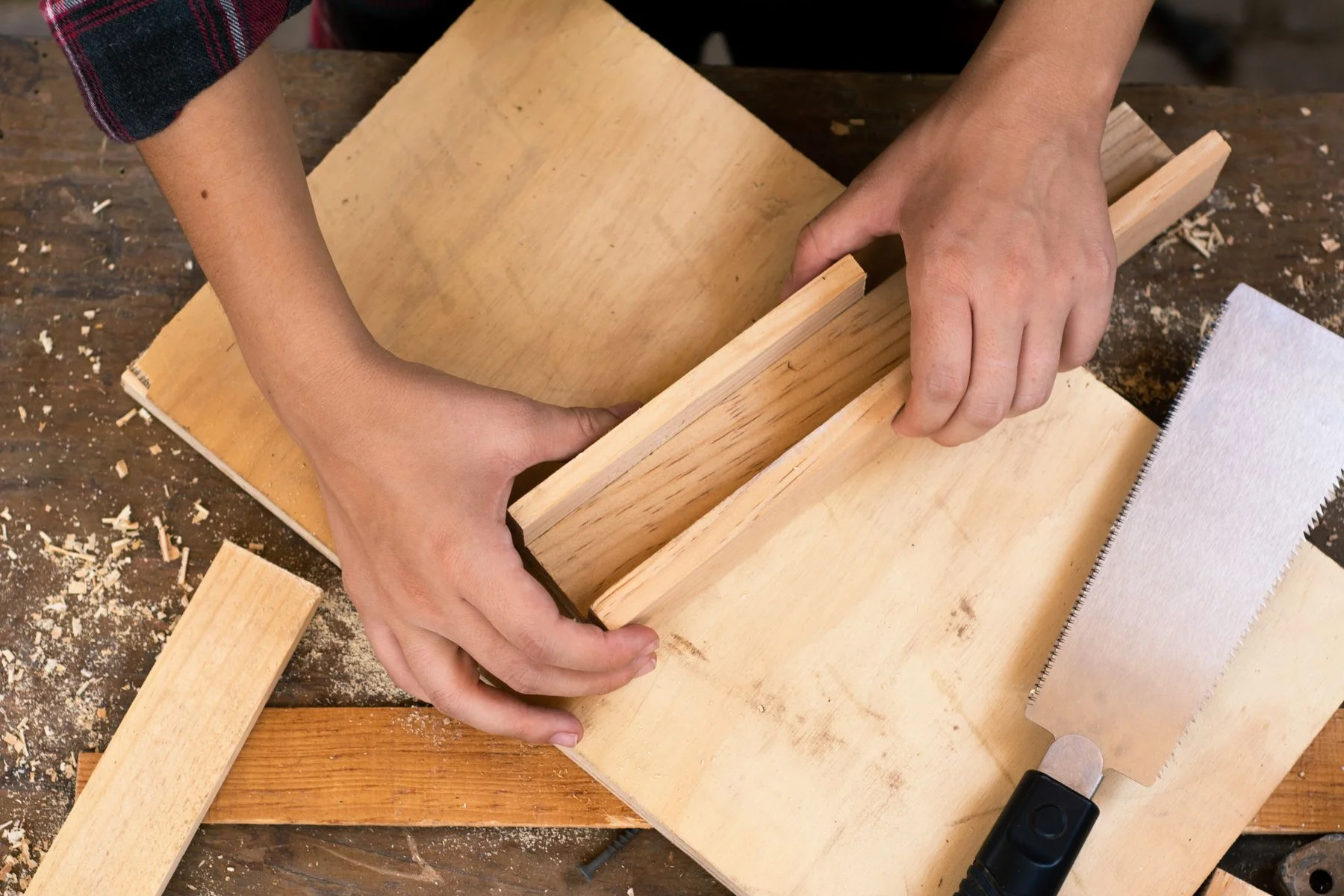
03 / RECORDING POSSIBILITIES
Household routines, skilled trades and practical industrial work. Start with a representative task—or bring a brief of your own.

Chopping, portioning, arranging ingredients and everyday kitchen sequences.
Explore recording categories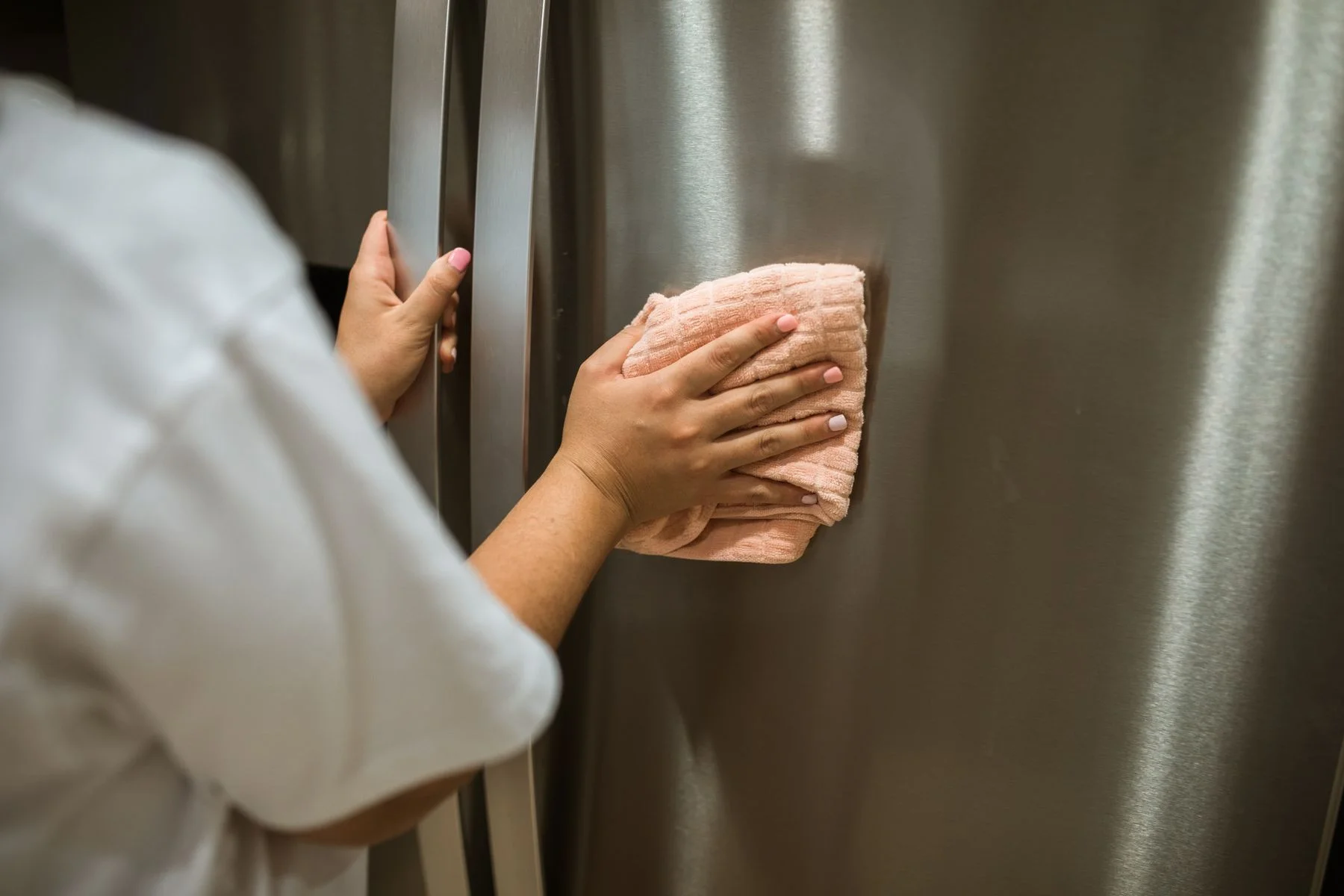
Surface cleaning, object organisation, household routines and room preparation.
Explore recording categories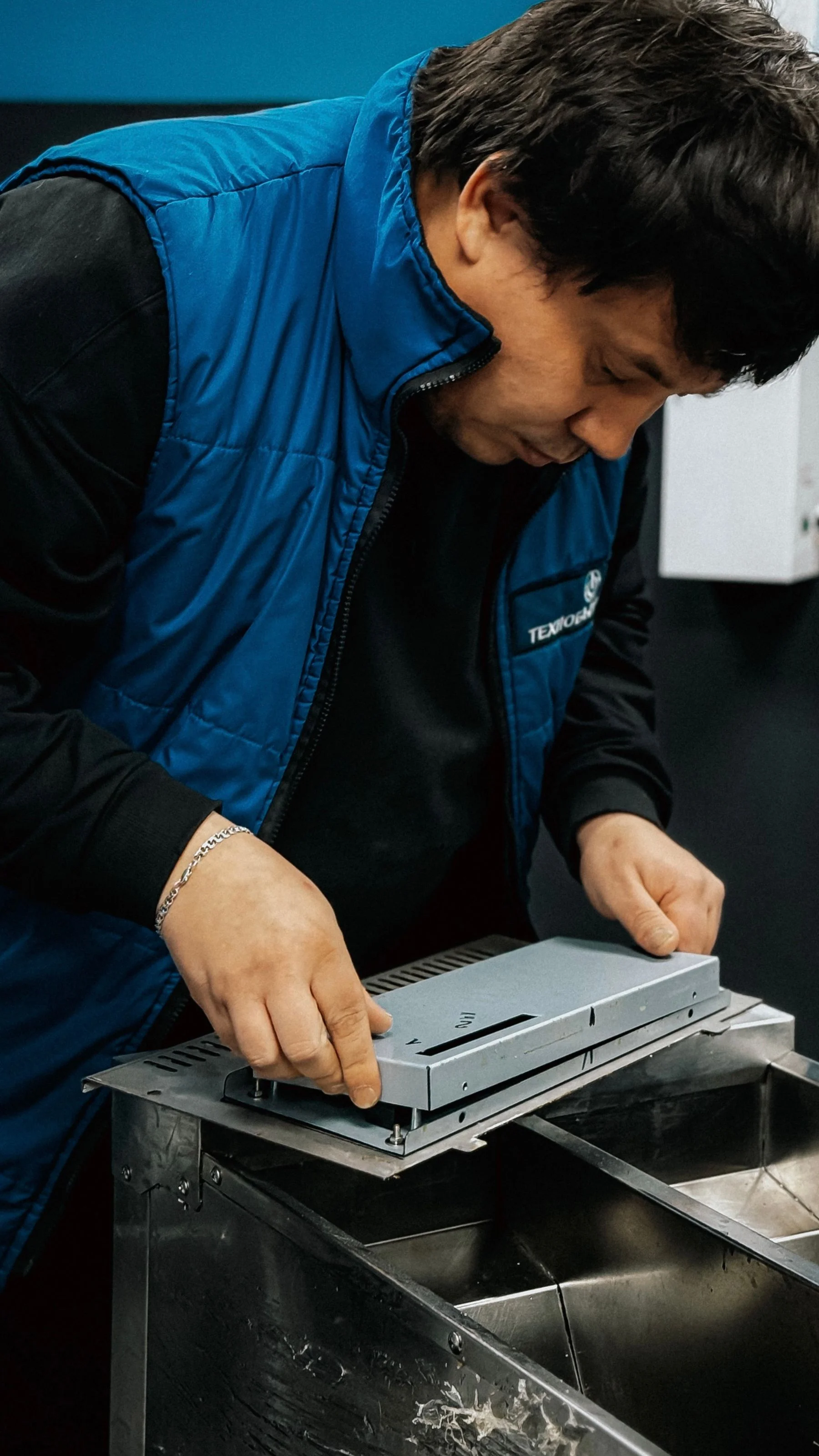
Assembly, repair, tool use and the checks that connect one action to the next.
Explore recording categoriesIllustrative task photography. Specific task coverage and capture requirements are agreed per project.
Tell us what you want recorded. We can discuss the skill, environment, camera setup, annotation and budget in a scoping meeting.
04 / MADE BY LABENO
Our own projects bring our engineering thinking into local commerce, school and gym management.
LOCAL QUICK COMMERCE
Local quick commerce for towns and rural communities.
Explore the projectSCHOOLS & GYMS
Connected management for schools and gyms.
Explore the project05 / A PRACTICAL WAY FORWARD
A focused first step makes the scope, quality and budget easier to agree.
01 / DISCUSS
Bring the skill you want recorded or the workflow you want to improve. We work through the intended outcome together.
02 / PILOT
Agree the specification, create a reviewable first version and check the details before the next stage.
03 / DELIVER
Keep the files, context and next steps clear. The deliverable should make sense to the people using it.
FIELD GUIDES / PLAN THE COLLECTION
Practical reading for teams planning human demonstration data: scope, recording quality and annotation depth.
FIELD GUIDE / FOR DATA BUYERS
Turn a research objective into a practical recording brief: tasks, variation, camera view, labels and pilot acceptance.
Read the guideFIELD GUIDE / FOR DATA BUYERS
A practical pilot review for human demonstration data, covering visibility, completeness, variation and usable delivery files.
Read the guideFIELD GUIDE / FOR DATA BUYERS
Decide when task labels, action segments, object references or finer annotation are useful—and what to settle in a pilot.
Read the guideA LITTLE MORE CLARITY
It is a recording from the perspective of the person carrying out the task, often using a head-mounted camera. The view can show hands, tools and objects through the sequence of the work.
Yes. A focused pilot is the practical place to review framing, task coverage, file organization and any labels before agreeing a larger collection.
The task library illustrates possible collection briefs. It is not an inventory of footage ready for purchase. Task feasibility, access, volume and delivery are confirmed for each project.